June 7, 2019
Freediving Safety Talk
Free community event at Aquarius Scuba to discuss freediving safety practices.
Read more ->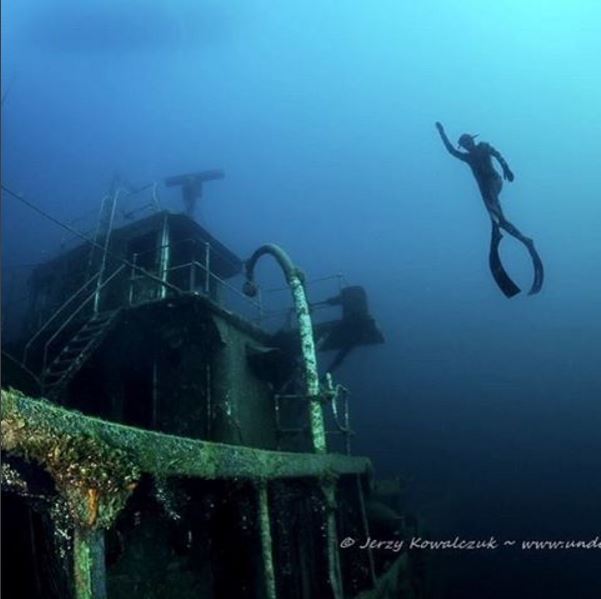
Enjoy Freediving is a resource built by and for the freediving community in Canada. Whether you are just learning to hold your breath or you are training for competitive depth, this site covers the education, safety, and community that make freediving one of the most rewarding pursuits you can take on. Our content draws from years of experience as an AIDA-certified freediver and instructor, and every article is written with your growth and safety in mind.
Freediving is more than a sport. It is a practice of stillness, self-awareness, and trust in your own body. A single breath can take you to extraordinary places, from the quiet blue of an open-water descent to the vibrant life on a shallow reef. The simplicity of the gear and the depth of the experience make it unlike anything else in the water.
Safety is the foundation of everything we share. Freediving carries real risks, and the most dangerous mistake a diver can make is underestimating them. We cover blackout prevention, proper buddy protocols, rescue techniques, and the physiological principles every freediver should understand. If you only read one section of this site, make it the safety content.
From equalization technique to breath-hold training, our articles break down the skills that matter at every level. We cover AIDA course preparation, competition tips, depth training strategies, and the mental game that separates good divers from great ones. Each guide is practical and based on real-world experience in the water.
The Canadian freediving community is growing fast, with active clubs and events from British Columbia to the Maritimes. We share stories from local competitions, highlight dive sites across the country, and connect divers who want to train together. Whether you are on the Pacific coast or diving a quarry in Ontario, there is a community here for you.
Answers to the questions we hear most from new and experienced freedivers
Freediving is safe when practiced responsibly with proper training and a qualified buddy. The most important safety rule in freediving is to never dive alone, as shallow water blackout can occur without warning. Taking a certified course from an organization like AIDA teaches you essential rescue skills, proper breathing techniques, and how to recognize your limits. With the right education and respect for the water, freediving has an excellent safety record.
Most beginners in a freediving course will reach depths between 10 and 20 metres during their first few sessions. The AIDA 2-star course, which is the standard entry-level certification, qualifies you to dive to 20 metres with a buddy. Depth comes naturally with proper technique, relaxation, and equalization skills. Rushing depth is counterproductive and unsafe, so focus on building a strong foundation first.
At a minimum, you need a low-volume freediving mask, a snorkel, and long-blade freediving fins. A wetsuit appropriate for your water temperature is also essential, and most freedivers use a weight belt to achieve neutral buoyancy at around 10 metres. As you progress, you may add a freediving computer, lanyard, neck weight, and nose clip. Freediving gear is simpler and more affordable than scuba equipment.
While there is no legal requirement to hold a certification, taking a course is strongly recommended for your safety. Freediving courses teach critical skills like proper breathe-up technique, equalization methods, buddy procedures, and rescue protocols. Organizations such as AIDA, SSI, and Molchanovs offer structured courses from beginner to instructor level. The knowledge you gain in a course could save your life or the life of your dive buddy.
Freediving is breath-hold diving without any underwater breathing apparatus, while scuba diving uses tanks of compressed air. Freedivers rely on a single breath for each dive, which typically lasts between one and four minutes. The experience is fundamentally different: freediving offers a quieter, more meditative connection with the underwater world, with no bubbles or heavy equipment. Many scuba divers who try freediving are surprised by how liberating and natural it feels.
Absolutely. Canada offers outstanding freediving opportunities on both coasts and in freshwater lakes. British Columbia is a world-class destination with visibility often exceeding 20 metres, and you can dive with seals, wolf eels, and giant Pacific octopus. Ontario and Quebec have excellent lake and quarry diving during the warmer months. The Canadian freediving community is active and welcoming, with clubs, competitions, and meetups across the country.
Freediving adventures, safety guides, and community events
June 7, 2019
Free community event at Aquarius Scuba to discuss freediving safety practices.
Read more ->September 29, 2018
Important safety considerations for freedivers transitioning from warm tropical waters to cold Canadian conditions.
Read more ->June 10, 2018
Brief post about diving in a local quarry. Mentions water temperature and underwater dome experiences.
Read more ->June 5, 2018
Join us for the 2018 open water freediving season at Dolime Quarry starting June 12th. Weekly training sessions for AIDA certified divers and courses available.
Read more ->October 2, 2017
Social diving event with underwater pumpkin carving. Included BBQ and bonfire. Open to certified freedivers.
Read more ->September 20, 2017
Pool training location details with directions and facility information.
Read more ->